
The 'Silent Victim' Phenomenon: Why Children Don't Tell
Picture a call at 2 AM. A 13-year-old had attempted self-harm. The note mentioned months of bullying. "Why didn't she tell me?" the mother asked, devastated. This is the silent victim phenomenon.
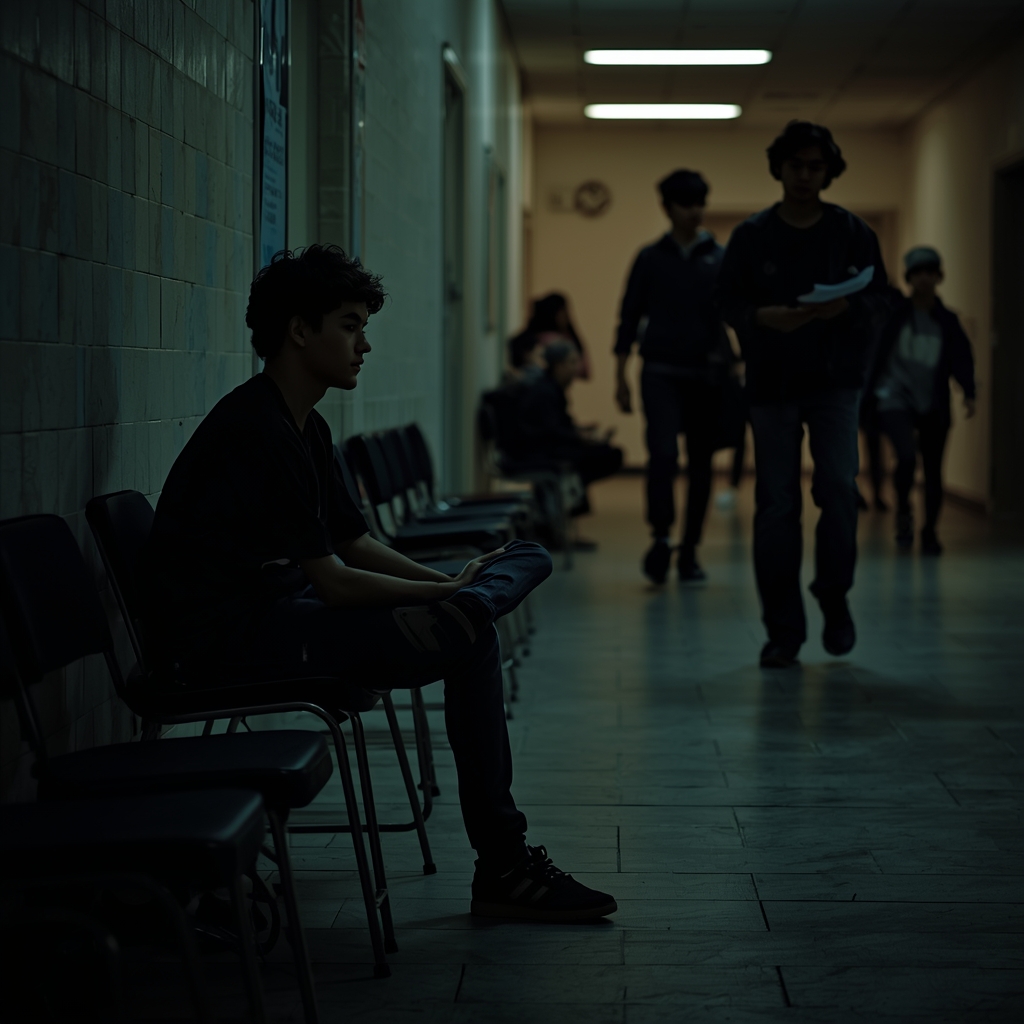
Every parent believes their child would tell them if something was wrong. But research tells a different story—one that every parent needs to understand.
And it gets worse:
- 80% never report bullying to school authorities
- 64% of bullying incidents have no witnesses willing to intervene
- Average time before disclosure: 6-18 months
The 8 Psychological Reasons for Silence
Reason #1: Shame and Self-Blame
Bullied children often internalize the message that they deserve it. "If I were cooler/stronger/smarter, this wouldn't happen." Telling parents means admitting this perceived failure.
Reason #2: Fear of Making It Worse
"If I tell, they'll call me a snitch." Children fear retaliation—and historically, they're often right. Poorly handled interventions can escalate bullying.
Reason #3: Loss of Control
When adults intervene, the child loses all control over the situation. Many prefer suffering in silence over unpredictable adult responses.
Reason #4: Protecting Parents
"Mom has enough to worry about." Children often hide problems to protect parents from stress or guilt. They see themselves as the caretaker.
Reason #5: Normalization
After weeks or months, bullying becomes "just how things are." Children stop recognizing it as abnormal—it's simply their daily reality.
Reason #6: Learned Helplessness
Previous attempts to get help failed. A teacher dismissed it. A parent overreacted. The child learns that telling doesn't help—so why bother?
Reason #7: Identity Protection
Boys fear appearing weak. Girls fear social complications. LGBTQ+ children fear outing themselves. The bullying content itself may be too embarrassing to share.
Reason #8: Digital Complexity
Cyberbullying adds layers: fear of losing phone access, evidence that can be screenshot and shared, 24/7 exposure with no safe space.
How Biometric Monitoring Changes Everything
Traditional model: Bullying happens → Child suffers in silence → Months pass → Eventually (maybe) discloses → Parents react.
Biometric Early Detection Model:
Bullying happens → AlvoTriX detects stress patterns → Parent receives alert → Gentle, informed conversation → Early intervention.
Key advantage: Parent initiates conversation with evidence (biometric data), not accusation. The child doesn't have to "tell"—the body already has.
5 Strategies to Break the Silence
Strategy #1: Create Low-Pressure Check-ins
Instead of "How was school?" try "What was the best and worst part of your day?" Normalizes discussing negatives.
Strategy #2: Model Vulnerability
Share your own struggles at work. Show that admitting problems is normal and doesn't mean weakness.
Strategy #3: Emphasize Problem-Solving Over Rescue
"Let's figure this out together" rather than "I'll handle this." Preserve their sense of control.
Strategy #4: Use Third-Party Stories
"I read about a kid who..." opens conversations without direct confrontation.
Strategy #5: Leverage Technology as Conversation Starter
"Your stress levels have been high this week. Want to talk about what's going on?"
The most important message: "You are safe to tell me anything. I will believe you, support you, and work with you—not take over."