
Biometric Wristband: A Lifeline for Every Family
Introduction to Biometric Wristbands
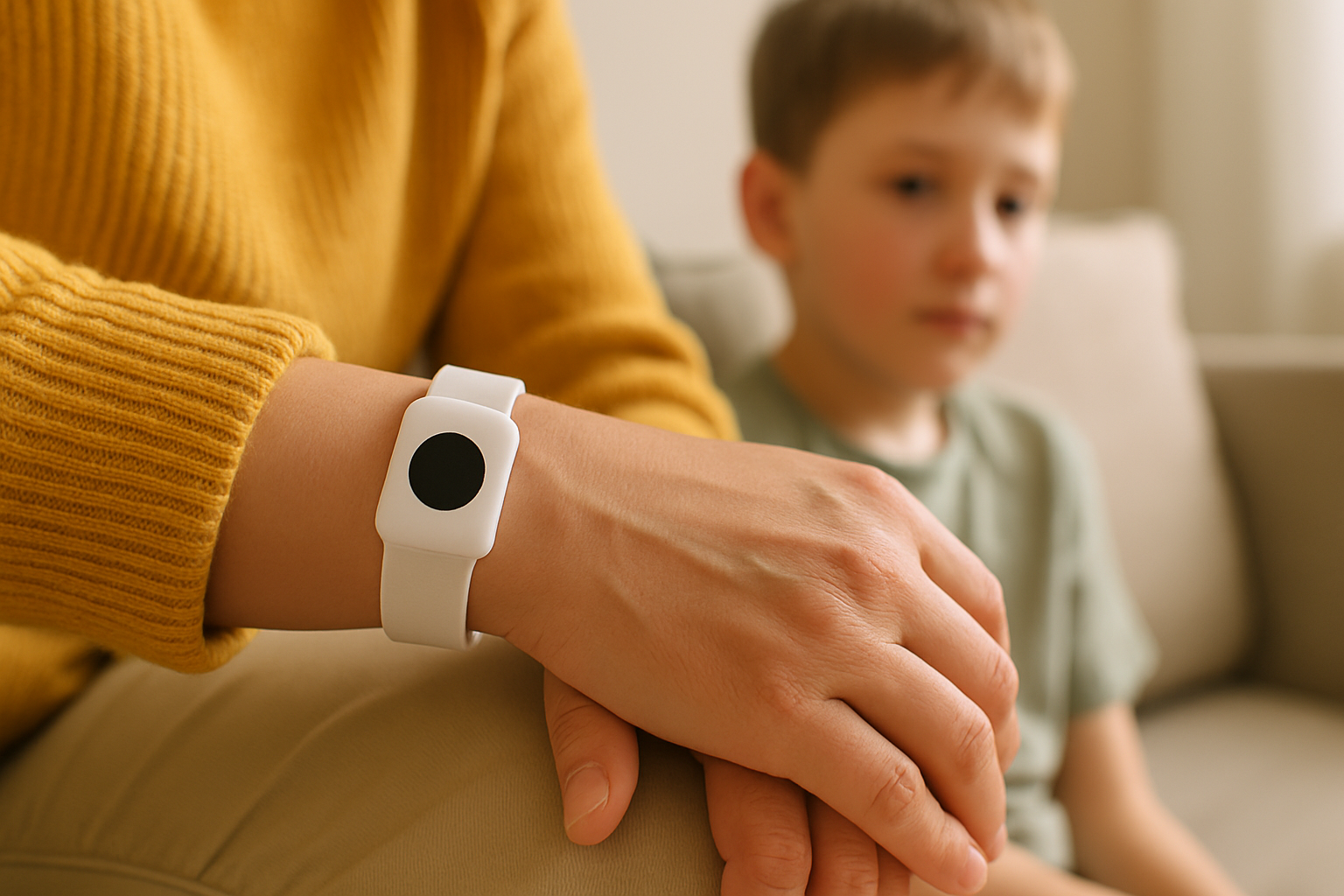
Biometric wristbands have revolutionized the way families approach safety for both the young and elderly. These wearables, like those offered by AlvoTriX, provide real-time data and alerts that help in managing potential crises before they occur. The brainchild of parents and caregivers, these devices are tailored for those who live with autism, elderly fall risks, and bullying concerns.
What Are Biometric Wristbands?
A biometric wristband is a wearable device that monitors physiological data such as heart rate, movement, and stress levels. According to a study by the American Geriatrics Society (2025), wearable devices have reduced fall-related injuries by 20% among the elderly. AlvoTriX's wristbands use this data to flag sensor-pattern deviations, offering timely alerts to caregivers.
Key Features
- Heart Rate Monitoring: Detects unusual spikes indicating stress or anxiety.
- Movement Detection: Identifies falls or lack of movement.
- Emergency Alerts: Sends notifications to family members or caregivers immediately.
Benefits for Families
For families of children with autism or teens facing bullying, biometric wristbands provide a layer of safety that's both proactive and comforting. According to the CDC (2024), 1 in 54 children is diagnosed with autism, making early intervention crucial. AlvoTriX wristbands are designed to flag elevated distress patterns, allowing parents to offer a calming check-in early.
Enhancing Safety for Autistic Children
Children with autism often experience sensory overload, which can be difficult to predict and manage. AlvoTriX provides real-time alerts when an elevated distress pattern is flagged, giving parents a chance to help the child self-regulate.
Supporting the Elderly
For seniors, especially those who are at risk of falls, biometric wristbands offer peace of mind. AARP (2023) reported that falls are the leading cause of injury among seniors, yet many refuse to wear traditional medical alert systems due to stigma. AlvoTriX's discreet designs overcome this barrier, offering fall detection quickly.
Addressing Fall Risks
AlvoTriX wristbands detect sudden movements indicative of a fall. Loved ones receive an immediate alert, allowing for quick assistance and minimizing injury risks.
Combating Bullying
For tweens and teens facing bullying, the emotional toll can be significant. AlvoTriX wristbands track heart-rate variability (HRV) to identify stress spikes during school hours, offering a silent alert system that empowers parents to take action.
Providing Invisible Protection
This level of protection is invaluable, turning fear into confidence. As the AlvoTriX Blog suggests, these wearables provide stories that truly transform family safety narratives.
FAQ
What is a biometric wristband?
A biometric wristband monitors physiological data like heart rate and movement to detect potential emergencies.
What do AlvoTriX wristbands flag for sensory distress?
They use heart rate and movement sensors to flag elevated distress-pattern deviations that may prompt a calming check-in.
Are AlvoTriX wristbands suitable for the elderly?
Yes, they provide fall detection and instant alerts, reducing injury risks among seniors.
Do these wristbands help in bullying situations?
AlvoTriX monitors heart-rate variability to identify stress in bullied teens, enabling timely intervention.
Can these wristbands be used as medical devices?
No, while AlvoTriX wristbands enhance safety, they are not classified as medical devices.
Conclusion
Biometric wristbands, particularly those from AlvoTriX, are a game-changer for family safety. By offering pattern-based insights and real-time alerts, they allow families to act before a minor issue becomes a major crisis. Whether it's monitoring an autistic child's sensory levels or ensuring an elderly parent's safety from falls, these wearables offer peace of mind and tangible protection.
Key Takeaways
- Biometric wristbands provide real-time safety monitoring for families.
- AlvoTriX designs these wearables specifically for autism, elderly care, and bullying.
- Sensors in the wristbands flag sensor-pattern deviations, offering early intervention opportunities.